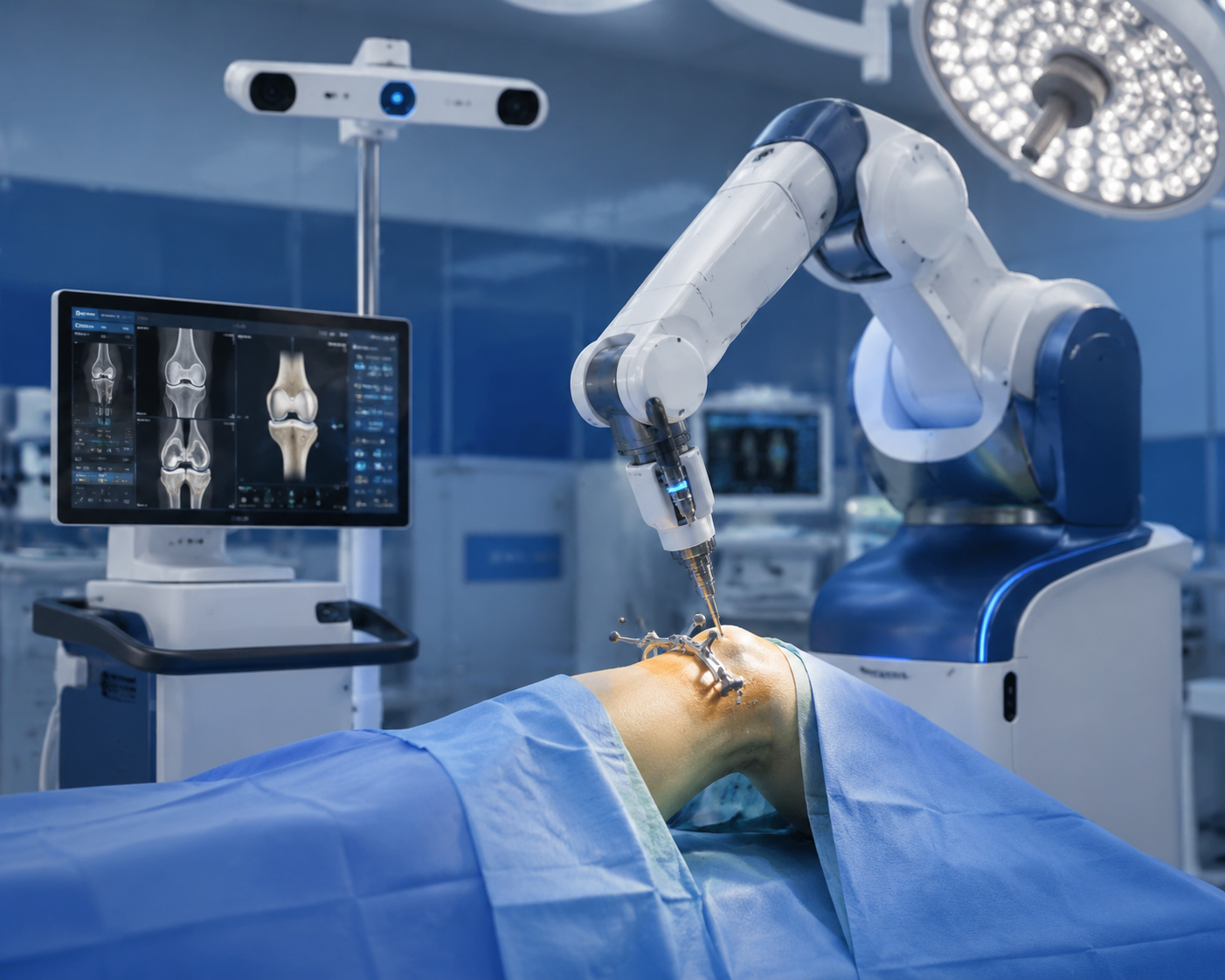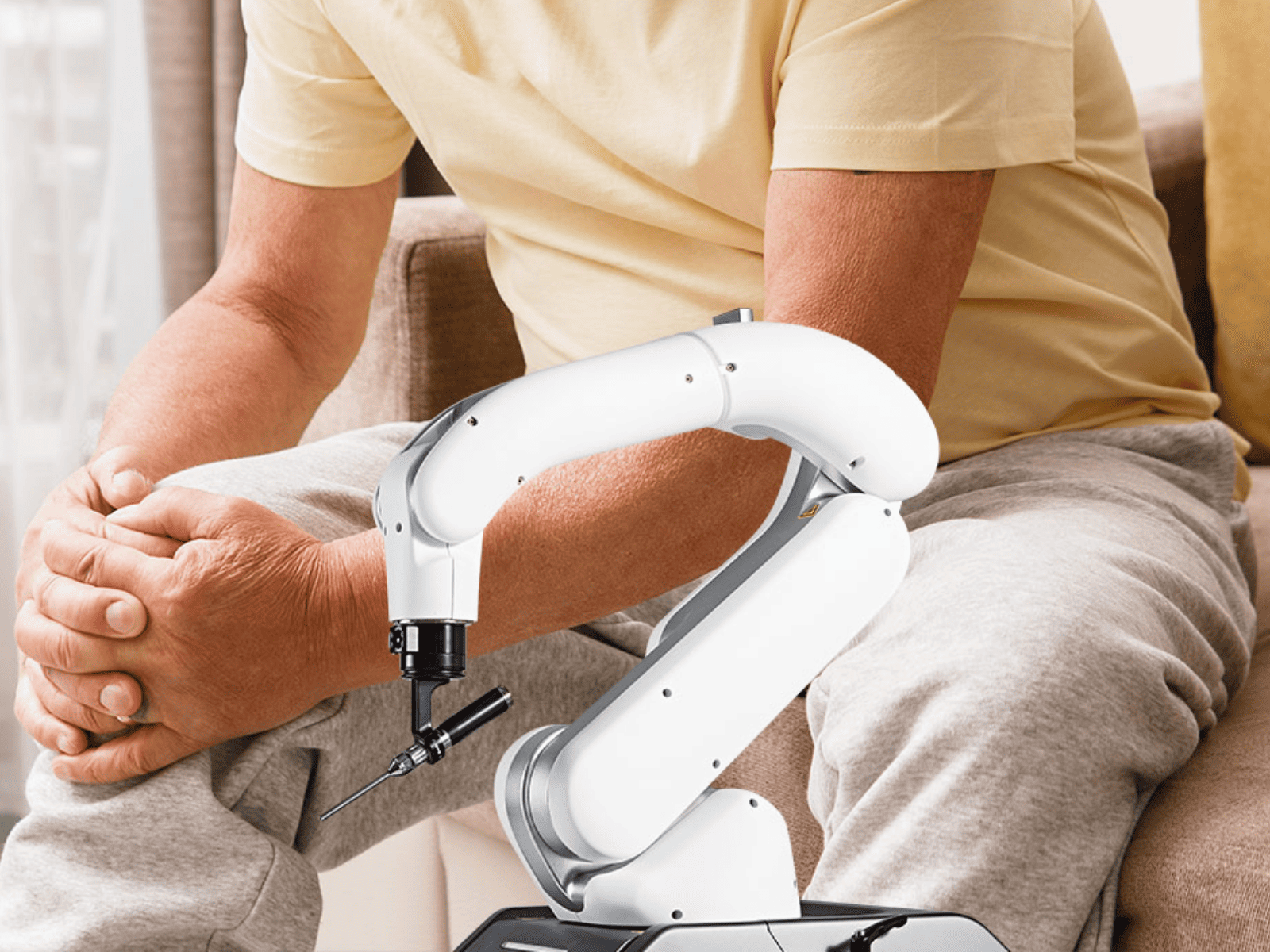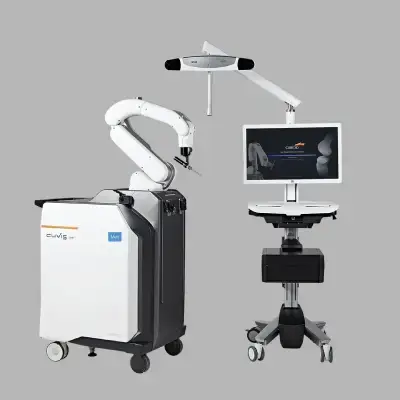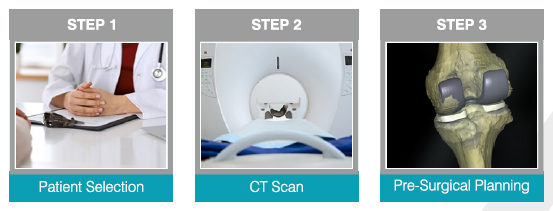
Robotic knee replacement surgery in Navi Mumbai is an advanced form of total knee replacement where robotic technology assists the surgeon during surgical planning and implant placement. Before the procedure, a CT scan is used to create a three-dimensional model of the patient's knee. This allows the surgeon to understand the exact bone structure, alignment, and joint condition before surgery. During the procedure, the robotic system helps the surgeon perform accurate bone preparation and implant positioning according to the customized surgical plan. The robotic system does not perform the surgery independently. Instead, it works as an advanced surgical assistant that supports the surgeon in achieving greater precision and consistency.
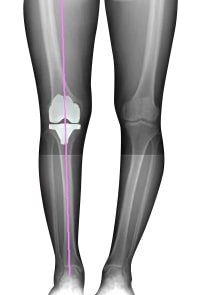
In knee replacement surgery, the arthritic portion of the knee is removed and replaced by an artificial joint that form the new surfaces of the knee joint. During Robot assisted total knee replacement, Robotic Knee Replacement Surgeon uses computed tomography (CT) scans to build a 3D model of the patient's knee. With that virtual model as guide, the surgeon then uses the robotic arm to make accurate bone cuts and insert the knee components precisely.