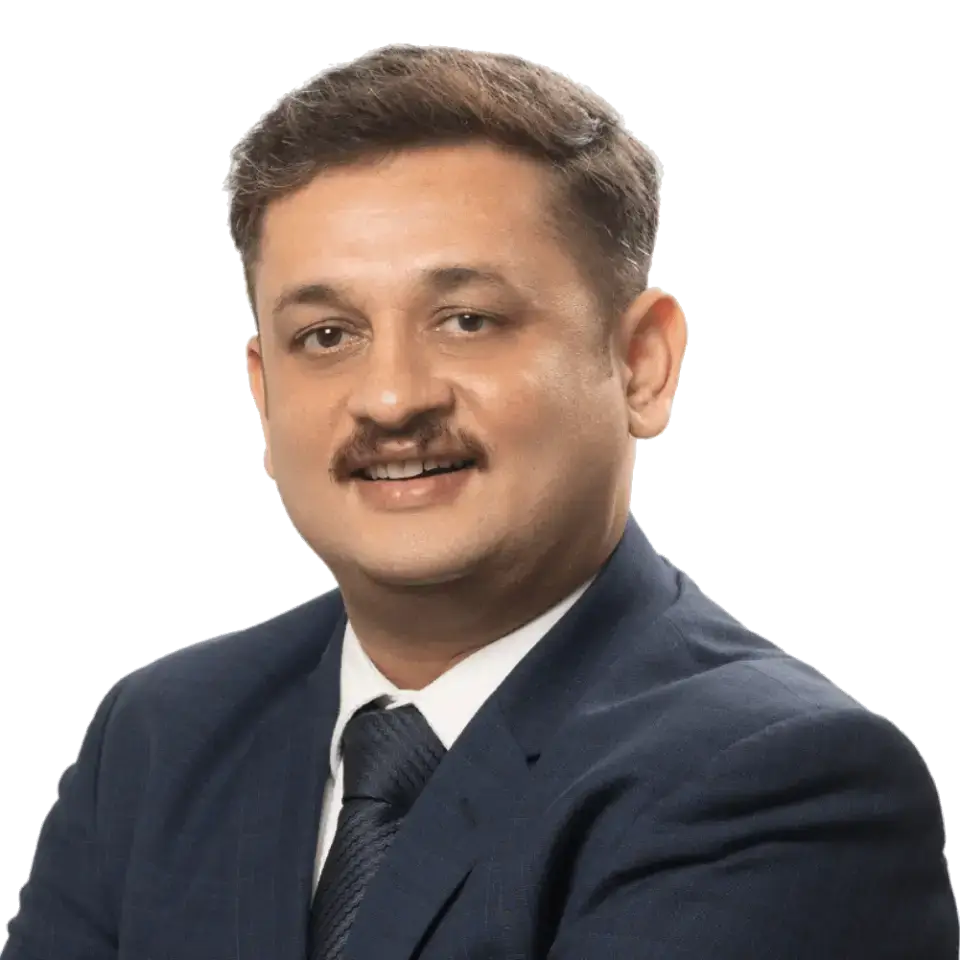
Dr. Pramod Bhor · Shoulder Impingement Specialist
Dr. Pramod Bhor stands out as a renowned and reliable orthopedic and joint replacement surgeon based in Kharghar, Navi Mumbai. With a solid 15 years of experience under his belt, he has skillfully performed a variety of surgeries that include, but are not limited to, total knee replacements, total hip replacements, trauma-related surgeries, and arthroscopic knee procedures.
Moreover, as a distinguished orthopedic surgeon at Fortis Hiranandani Hospital in Vashi, Navi Mumbai, Dr. Bhor has built a stellar reputation for his excellent surgical abilities and dedication to patient care. With a remarkable tally of over 3000 surgeries, he has refined his skills across a broad spectrum of procedures including joint replacements, trauma surgeries, spine surgeries, arthroscopic interventions, and minimally invasive operations for fractures and trauma.
The tendons which make up the rotator cuff have sufficient vascularisation except the supraspinatus muscle tendon. Its blood supply relies on vessels from the anterior circumflex humeral artery and the sub- and suprascapular muscle arteries. The critical area—about 1 cm medial to the insertion—is relatively avascular, so nutrients that flow through the tendon diminish with age, making the tissue more vulnerable.
Neer proved that during shoulder adduction the rotator cuff chafes against the underside of the acromion. Aggressive acromion shapes (types II and III) or acromial osteophytes further narrow the space. An unfused acromion (os acromiale) and thickening of the subacromial bursa can also cause abnormal rubbing of the cuff tendons.
Degenerative changes to the rotator cuff occur predominantly in individuals over 50 years of age. Friction against the acromion accelerates this degeneration, triggering progressive cuff weakness and pain.
Vascular limitations within the supraspinatus tendon, mechanical friction from aggressive acromion shapes or os acromiale, thickened bursae, and age-related degeneration collectively narrow the subacromial space and irritate the cuff.
Gradual shoulder pain, night discomfort, strength loss, radiating pain to the elbow, and difficulty lifting the arm above the head are classic indicators.
A detailed clinical exam evaluating range of motion, provocative impingement tests, and imaging (X-ray, ultrasound, or MRI) helps confirm tendon irritation and identify contributing bone shapes.
Early care focuses on activity modification, anti-inflammatory support, and targeted physiotherapy. Persistent cases may need injections, arthroscopic subacromial decompression, or acromioplasty to enlarge the space.
Ongoing impingement can trigger rotator cuff degeneration, partial or full-thickness tears, chronic pain, and reduced shoulder function.
Maintaining shoulder mobility, strengthening the rotator cuff, correcting posture, and avoiding repetitive overhead strain lower the risk.
Adopt ergonomic work setups, pace overhead tasks, integrate stretching breaks, and avoid sleeping on the painful shoulder.
Yes. Tailored physiotherapy improves scapular mechanics, strengthens the cuff, and relieves friction within the subacromial space.
Arthroscopic subacromial decompression, acromioplasty, or combined procedures that address bursae and spurs can restore space when conservative care fails.
Mild cases improve within weeks of therapy, whereas chronic impingement may need several months or post-surgical rehabilitation for sustained relief.